5 Facts About Iran’s Potential Next Leader
Guest Commentary

Audio By Carbonatix
By Amber Ginter, Crosswalk.com
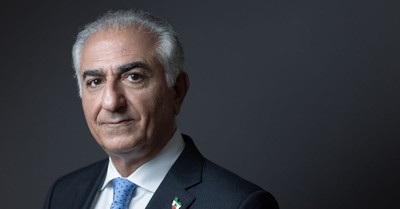
In Iran, Reza Pahlavi, the exiled former crown prince, at the age of 7, has declared himself as the next potential successor. After the death of former Supreme Leader Ayatollah Ali Khamenei at the hands of the United States and Israeli strikes, Pahlavi is doing everything he can to bop to the top of the totem pole. Will he become Iran’s next potential political leader?
While Israel and the U.S. began combat operations in Iran on Saturday in order to destroy the country’s military capabilities, Trump has urged Iranians to stay home during the bombing and take control of their government.
According to CNN, Pahlavi’s stance is brave and bold: “The Islamic Republic has only replaced its supreme leader once since it swept to power nearly half a century ago.” While a three-person leadership team (moderate president, Masoud Pezeshkian, head of the judiciary, Gholamhossein Mohseni Ejei, and senior cleric, Alireza Arafi) holds power until the new leader is named, a body of 88 senior clerics known as the Assembly of Experts will select the next leader, evaluating Pahlavi against other contenders.
What should we know about this future leader? And more importantly, is Pahlavi the type of leader to create lasting and needed change for Iran?
Photo Credit: ©Gety Images / JOEL SAGET / Contributor
Fact 1: Pahlavi’s Political Identity Has Been Formed In Isolation
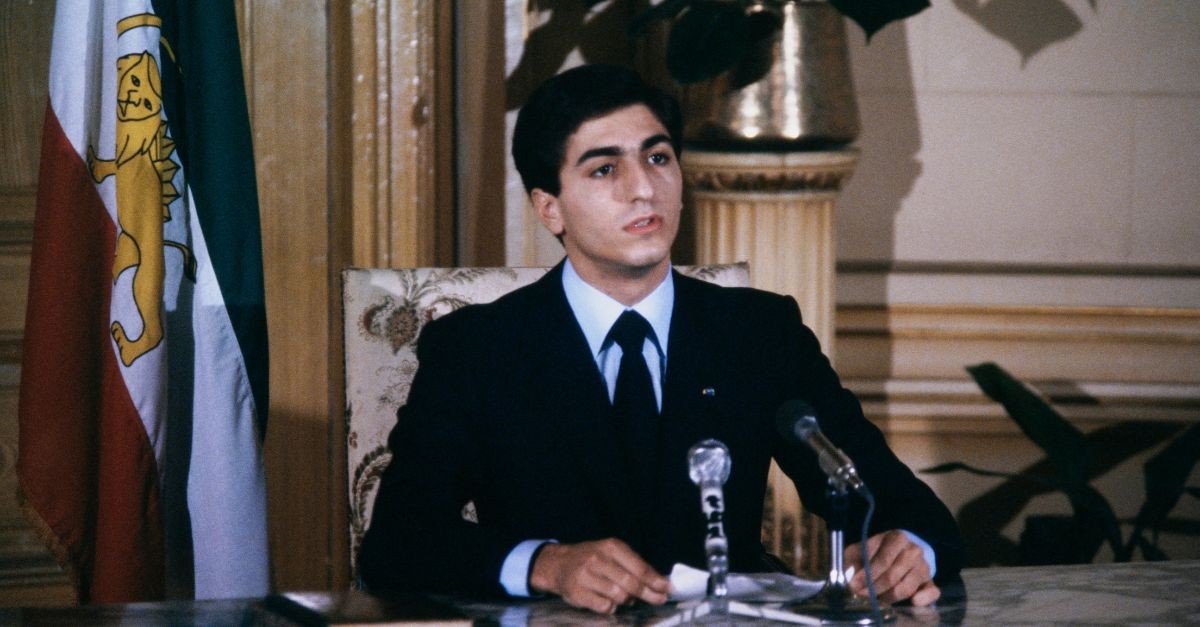
Born and raised in Tehran in 1960, Pahlavi was just a teenager when he left Iran to become a jet fighter for the United States. According to the Christian Post, he never returned after the 1979 Islamic Revolution barred his family from power.
Since living in the U.S. with his wife, Yasmine Etemad Amini, and their three children, his profile has been built almost exclusively from exile. While Pahlavi has spent years positioning himself as a central figure for Iran, many believe “the country’s future system should be decided by Iranians through a constitutional process rather than by the automatic restoration of the monarchy.”
Does Pahlavi understand what the Iranian’s are truly experiencing? Does someone who left their own country deserve to reign over it? These are questions many are grappling with as decision day soon approaches.
Fact 2: Pahlavi’s Public Appearance Came Under Great Expectation
While Pahlavi is now 65 years old, he was initially named crown prince at just 7 years old. During this time, the 1967 coronation of his father, Mohammad Reza Pahlavi, showed that royalty and power ran in the family. Imagine growing up in a palace?
Spending his childhood riding horse-drawn carriages, celebrating huge events, and experiencing parties at an early age, Pahlavi began to see the immense pressure that came with roles like these. Viewing the crowded streets and flood of people, he told The Telegraph that this moment “made him aware of the expectations attached to the role.” But instead of being afraid of the power and prestige, he wished to obtain it in a new light.
While his upbringing took place in a royal palace, Pahlavi still received formal education and training, both of which may have led to the development of his modern views and starkly contrasting beliefs about power. As a child, he grew interested in aviation despite the royal role, and that led him to leave Iran for advanced pilot training in the U.S., as mentioned earlier.
Photo Credit: ©Getty Images / Bettmann / Contributor
Fact 3: Pahlavi Believes Iran’s Future Should Be Ruled By Democracy
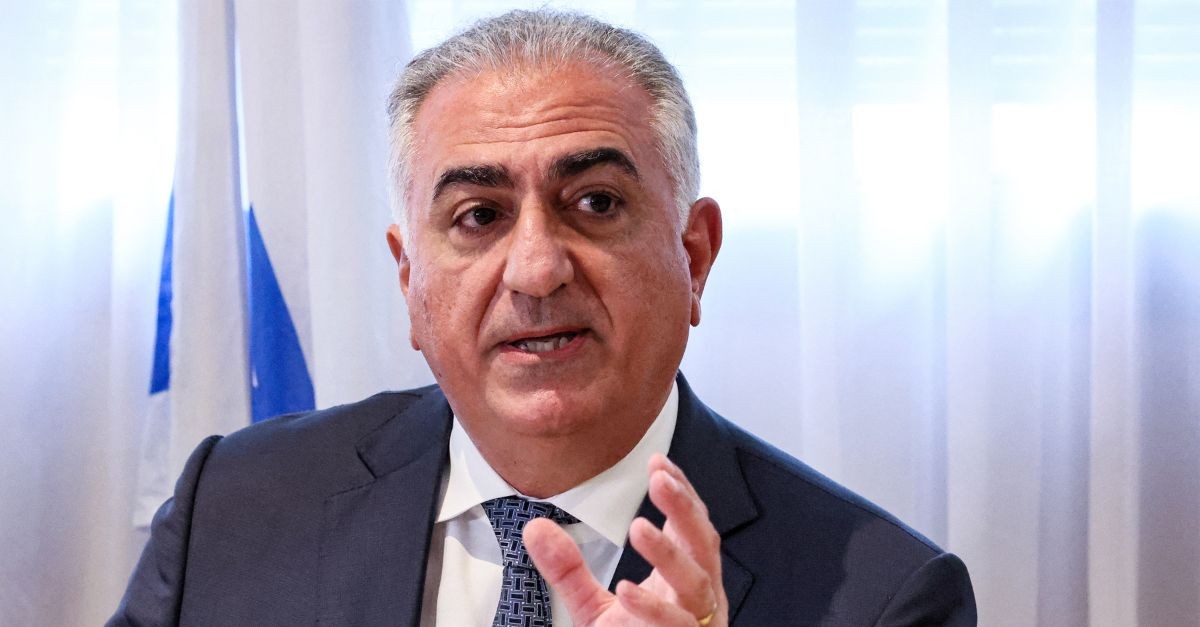
Beyond the typical debate between Democrats and Republicans, Pahlavi has made his stance clear: He believes, and has consistently argued, that Iran’s future should be secular and democratic. After calling for a separation of religion from the state, he told the press in January that, “the country should be guided through an interim period followed by the election of a constitutional assembly tasked with drafting a new constitution, which would then be put to a national referendum.”
According to this briefing, Pahlavi has declared over and over again that if chosen for the position, he would see his role as different than ever before. Instead of seeking to automatically restore the monarchy, he would facilitate a political transition to shape the future using the will of the Iranian people. He’s even gone so far as to note that the “Iranian public is the central force for change.”
Urging Western governments to support civil resistance rather than going from diplomacy to military conflict, he’s promised that a future with him would ensure political freedom for all, regardless of their beliefs.
Fact 4: Iran is Divided As To Whether Pahlavi Can Lead Such Transitions
Despite his background, confidence, and reassurance of leadership, polls report that only 1/3rd of Iranians support Pahlavi’s goals as a leader. While these numbers mean that 1/3rd are against his potential reign, these numbers and level of support exceed that of other contenders.
Using a unique vantage point, Pahlavi’s views would be different than the autocratic rule of his father. While some appreciated this ruling, others begged to differ. Some Iranians view Pahlavi as pro-Western, secular, and fully capable of helping end economic isolation.
According to the National Post, however, “What comes next is uncertain. But there is now an open path to a different Iran, one that its people may have greater freedom to shape,” says top diplomat Kaja Kallas. Amidst division, will Iran come to a steady and united decision?
Photo Credit: ©Gety Images / JOEL SAGET / Contributor
Fact 5: Pahlavi is Assertive in His Stance Rather Than Passive
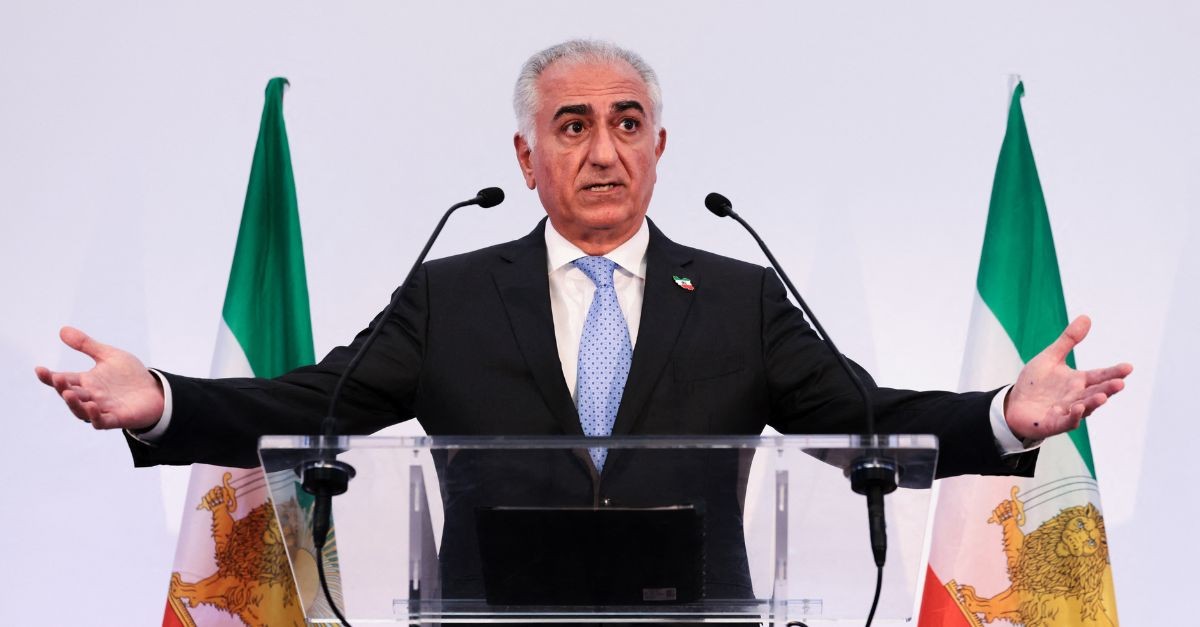
While some leaders are passive, Pahlavi has been assertive in his stance as the pressures on Iran have intensified. After 4 decades of advocating for nonviolent change, Axios reports that he’s urged Washington to command and control structures of the Islamic Revolutionary Guard Corps, and the U.S. to exercise caution in protecting its civilians.
Warning the Iranian government to be careful with their future actions, Pahlavi believes, “that the Iranian government is at a critical turning point and has repeatedly encouraged Iranians to prepare for sustained pressure on the system.”
Stepping up to engage with Western policymakers, Pahlavi warns and urges everyone to be ready. Instead of relying on diplomacy or direct military confrontation, he believes this assertive stance isn’t just necessary, but dire for lasting change in Iran and its leadership going forward.
While Pahlavi typically avoids harsh rhetoric when in conversation with others, Politico reports, “he condemns political violence and intimidation. He also speaks loftily of a future democratic Iran where he may play a vague role. He has, however, started putting himself forward as the sole leader of the opposition. He has also become more partisan in the U.S. sense. He criticizes Democrats while praising Trump and the GOP. He has further linked himself with the Israeli government and spoken at conservative gatherings.”
Drawing attention supported by crowds and celebrity backers, Pahlavi is “eclipsing others in the Iranian opposition, including people imprisoned for defying the regime and the Mujahedin-e-Khalq, a decades-old movement the U.S. previously listed as a terror group.”
Will Pahlavi become the next leader of Iran? Only time will tell. Despite a hefty plan for the future, whether Pahlavi returns to Iran could be up to U.S. President Trump. President Trump hasn’t just built up the U.S. military presence in the Middle East, but he’s also threatened Iran’s leadership to do better.
“Pahlavi isn’t giving up on Trump. Should Trump fulfill his pledge to help Iranians, Pahlavi said in Munich, history will record him as among “the world’s greatest heroes” (Politico).
Photo Credit: ©Getty Images / JOEL SAGET / Contributor
